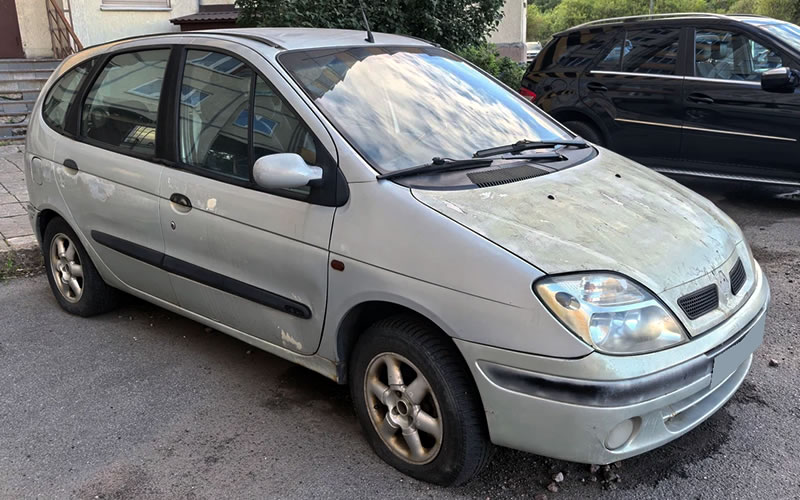
The Renault Scenic 1 represents a pioneering entry in the compact multi-purpose vehicle market, combining practicality with reliability. For owners seeking to optimize operating costs and ensure vehicle longevity, performing routine maintenance and minor repairs independently can be highly advantageous. This guide outlines the essential procedures, required tools, and safety considerations for self-repair and servicing of a Renault Scenic 1, enabling technicians—professional or amateur—to approach each task with confidence and precision.
Benefits of Independent Maintenance
- Cost Efficiency: Labor charges often constitute a significant portion of service expenses. Performing routine tasks independently reduces overall expenditure.
- Technical Familiarity: Hands-on experience enhances understanding of vehicle systems and promotes early detection of potential issues.
- Quality Assurance: Direct control over parts selection and repair methods ensures adherence to manufacturer specifications.
- Scheduling Flexibility: Independent servicing allows maintenance to be conducted at the owner’s convenience, minimizing vehicle downtime.
Required Tools and Materials
Before commencing any procedure, assemble the following essentials:
- Hand Tools
- Metric wrench set (8–19 mm)
- Metric socket set with ratchet handle
- Torque wrench (capable of 10–100 Nm)
- Screwdrivers (Phillips #1–#3; flathead)
- Pliers and locking pliers (vise grips)
- Allen and Torx key set
- Hydraulic floor jack (2 ton minimum)
- Heavy-duty jack stands (pair)
- Wheel chocks
- Engine oil (5W-30 or as specified in the owner’s manual)
- Oil and fuel filters
- Air filter element
- Spark plugs (NGK or Bosch, heat range per specification)
- Coolant (ethylene glycol–based, OAT formulation)
- Brake fluid (DOT 4)
- Nitrile gloves and safety glasses
- Drain pan and absorbent pads
- Threadlocker (medium strength)
- Rags and cleaning solvent
- Warm the engine to normal operating temperature.
- Secure the vehicle on jack stands; position wheel chocks.
- Place a drain pan beneath the oil sump; remove the drain plug.
- Allow oil to drain completely; install a new washer on the plug.
- Remove the old oil filter using an oil-filter wrench; inspect the sealing surface.
- Apply a thin film of fresh oil to the new filter’s gasket; tighten to manufacturer torque.
- Refit the drain plug (torque to 30 Nm). Lower the vehicle; refill with the specified volume of oil.
- Verify oil level via dipstick; inspect for leaks upon engine start.
- Open the engine compartment; release the airbox clamps or screws.
- Remove the cover and extract the old filter element.
- Insert the new filter, ensuring proper seating; reassemble the airbox.
- Disconnect the negative battery terminal.
- Remove ignition coil assemblies or spark-plug wires in sequence.
- Utilize a spark-plug socket to extract old plugs; confirm electrode condition.
- Set the new plugs’ gap per specification (typically 0.9–1.1 mm).
- Hand-thread each plug before torquing to 25 Nm; reattach coils or wires.
- Elevate the front or rear axle; remove the corresponding wheels.
- Examine disc thickness and pad lining; compare with minimum specifications.
- Unbolt the caliper; suspend it securely (do not strain the brake hose).
- Compress the caliper piston using a suitable tool; insert new pads.
- Reinstall the caliper and wheel; lower the vehicle and torque wheel nuts to 110 Nm.
- With the engine cold, inspect coolant level in the expansion tank.
- Add premixed coolant to the “MAX” mark if necessary; secure the cap.
- Engine Misfire or Rough Idle: Verify spark-plug condition; inspect ignition coils and vacuum hoses.
- Overheating: Confirm radiator fan functionality; test the thermostat and coolant circulation.
- Brake Noise or Vibration: Check rotor run-out; replace warped disks or pads as required.
- Suspension Clunks or Excessive Roll: Assess strut mounts, anti-roll bar links, and control-arm bushings for wear.
- Always engage the parking brake and use wheel chocks before lifting.
- Support the vehicle exclusively on rated jack stands; never rely solely on a hydraulic jack.
- Disconnect the battery’s negative terminal when servicing electrical or ignition components.
- Wear appropriate personal protective equipment, including gloves and eye protection.
- Consult the vehicle’s service manual for torque specifications and system diagrams.
- Lifting Equipment
- Fluids and Replacement Parts
- Consumables and Safety Gear
Routine Maintenance Procedures
- Engine Oil and Filter Replacement
- Air Filter Replacement
- Spark Plug Renewal
- Brake Inspection and Pad Replacement
- Coolant System Check and Top-Up
Troubleshooting Common Issues
- Engine Misfire or Rough Idle: Verify spark-plug condition; inspect ignition coils and vacuum hoses.
- Overheating: Confirm radiator fan functionality; test the thermostat and coolant circulation.
- Brake Noise or Vibration: Check rotor run-out; replace warped disks or pads as required.
- Suspension Clunks or Excessive Roll: Assess strut mounts, anti-roll bar links, and control-arm bushings for wear.
- Always engage the parking brake and use wheel chocks before lifting.
- Support the vehicle exclusively on rated jack stands; never rely solely on a hydraulic jack.
- Disconnect the battery’s negative terminal when servicing electrical or ignition components.
- Wear appropriate personal protective equipment, including gloves and eye protection.
- Consult the vehicle’s service manual for torque specifications and system diagrams.
Safety Considerations
- Always engage the parking brake and use wheel chocks before lifting.
- Support the vehicle exclusively on rated jack stands; never rely solely on a hydraulic jack.
- Disconnect the battery’s negative terminal when servicing electrical or ignition components.
- Wear appropriate personal protective equipment, including gloves and eye protection.
- Consult the vehicle’s service manual for torque specifications and system diagrams.
Conclusion
Self-repair and maintenance of the Renault Scenic 1 can yield substantial cost savings and foster a deeper technical appreciation of the vehicle. By adhering to prescribed procedures, utilizing proper tools, and observing safety protocols, vehicle owners and technicians can perform routine servicing tasks with professional accuracy. Consistent preventive maintenance will not only prolong the Scenic’s operational lifespan but also enhance safety and performance on the road.